Inspiration
Honestly, I never really set out with the idea of building a flight simulator.
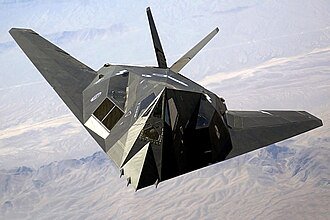
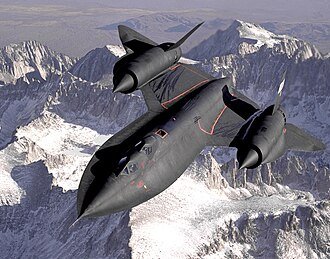
What I did have, though, was a growing fascination with fighter jets and military aircraft. A lot of that started with planes like the SR-71 Blackbird and the F-117 Nighthawk. I remember thinking there was something special about those aircraft. They felt mysterious, extreme, and far beyond anything in the consumer world. I spent a lot of time reading about them on Wikipedia, watching documentaries, and learning about some of the missions they flew.
That curiosity eventually led me to the bigger programs behind these aircraft, like the ATF (Advanced Tactical Fighter) program, which produced the F-22 Raptor, and later the JSF (Joint Strike Fighter) program, which resulted in the F-35. I was fascinated by how advanced these machines were and by the level of technology inside them. Even the computing side of aircraft like the F-22 felt unreal to me at the time. These were machines operating on a level that felt light-years ahead of what regular people ever got to see, and of course a lot of it was classified.
Then 2020 happened.
COVID went into full swing, nobody could really go anywhere, and I was stuck at home doing lectures remotely and spending a lot of time on YouTube afterwards. Around that time, I saw a trailer for Top Gun: Maverick, and it hit hard. Even that brief glimpse of the action was enough to pull me in deeper. It also introduced me to another aircraft world entirely: the F/A-18, the LWF (Lightweight Fighter Program) idea around that era, and its well-known sibling, the F-16 Fighting Falcon.
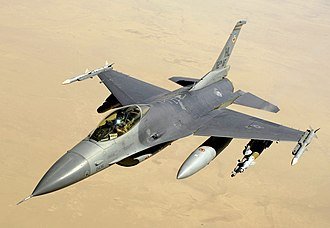
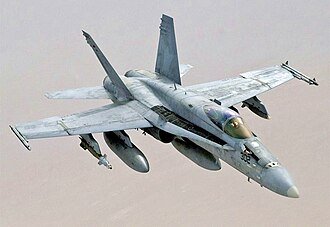
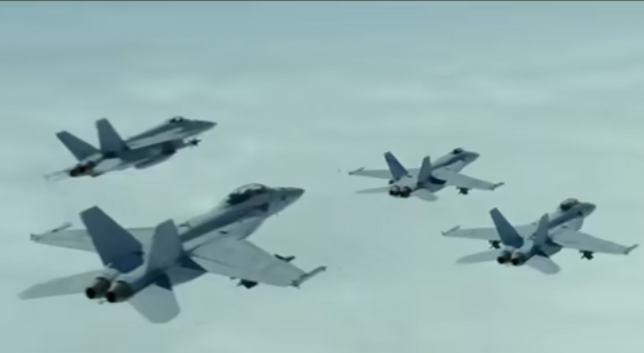
I thought Top Gun: Maverick looked visceral, intense, and just cool. That sent me down another rabbit hole: fighter jet games. Eventually I landed on a gaming channel called OperatorDrewski, where I found playlists on DCS and VTOL VR. I started binge-watching them.
Research and Learning
I had already heard of DCS and VTOL VR before, but now I was really paying attention. I did not have the hardware or computing power to run those games, let alone buy them, so I watched from the outside. But even just watching was enough. The level of technical detail, especially in DCS, was amazing. It was the first time I was really seeing what the cockpit of an F/A-18 looked like, how targets were designated, what an RWR sounded like, and how much there was to learn just to operate one aircraft. It was fascinating.
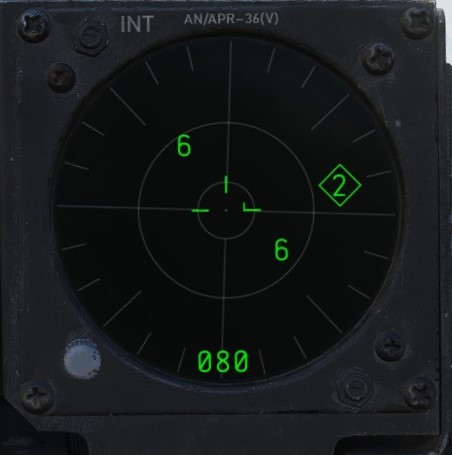
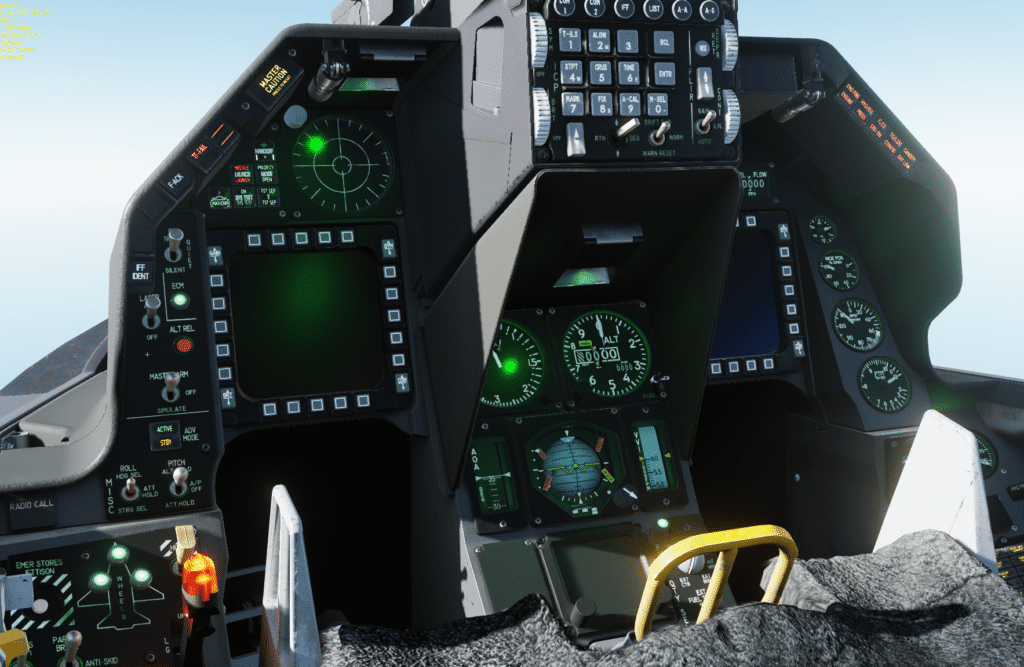
At some point I thought: let me try to make something like DCS.
That was obviously ambitious, maybe even delusional, but I still wanted to try.
By that point I had already been messing around with the Unity game engine since around 2018 while I was in college, and I was working on a Toshiba Satellite A660, which was not exactly high-end hardware for this kind of thing. Still, in 2020, during lockdown, I opened Unity and started from the most basic question: what do I need first?
The answer was simple: an aircraft model.
Early Attempt
So I got an F-22 Raptor model. At the time the F-22 was basically one of the coolest aircraft all over social media, so it felt like the obvious choice. A friend had also given me a simple phone VR headset for prototyping. So I loaded up Unity, brought in the Google VR SDK, followed some basic tutorials, read up a bit on flight mechanics, and eventually managed to get the F-22 flying.
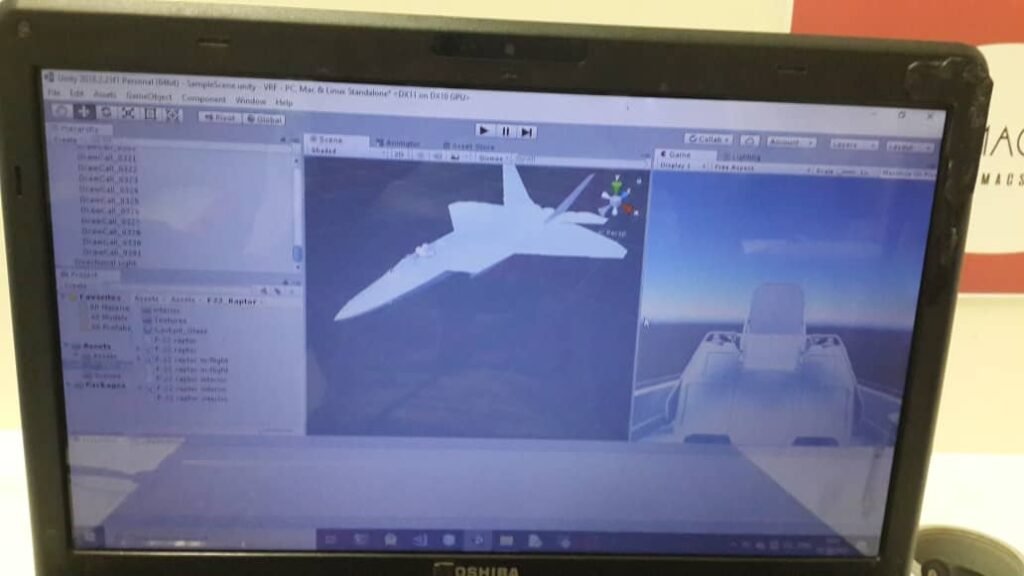
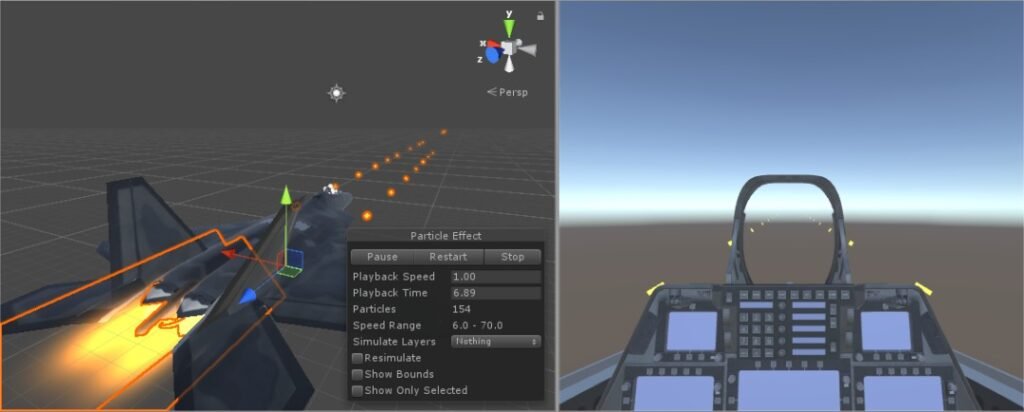
That first moment of putting on the headset and flying the aircraft was honestly crazy.
Being able to turn your head left and right and feel the scale of the aircraft around you was a wild experience. It was low-resolution and rough, but it still felt special. At one point I duplicated the F-22 object in the scene and made the copy follow the main aircraft. When you looked out to the side, it felt like you were flying in formation with another jet. You could look over and see another F-22 on your wing.
That alone was enough to make the idea feel real.
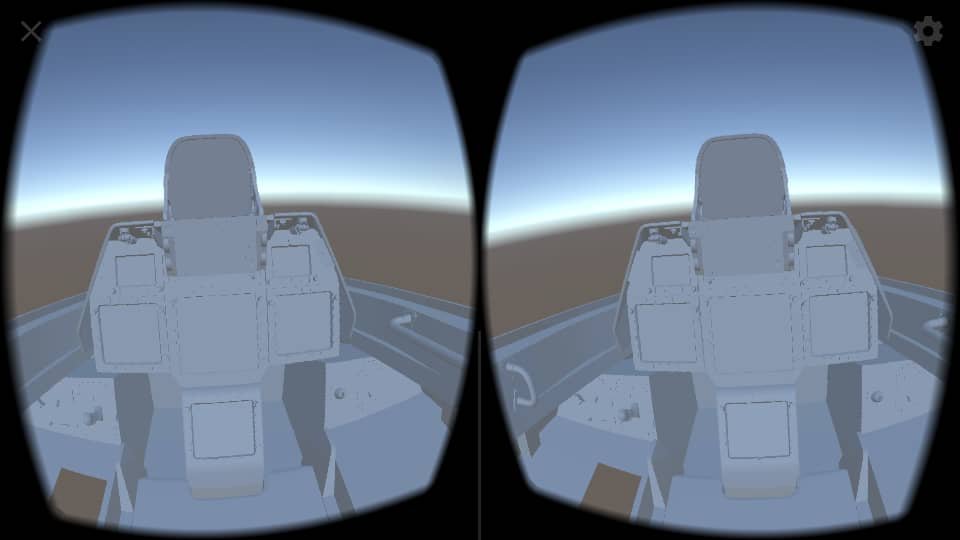
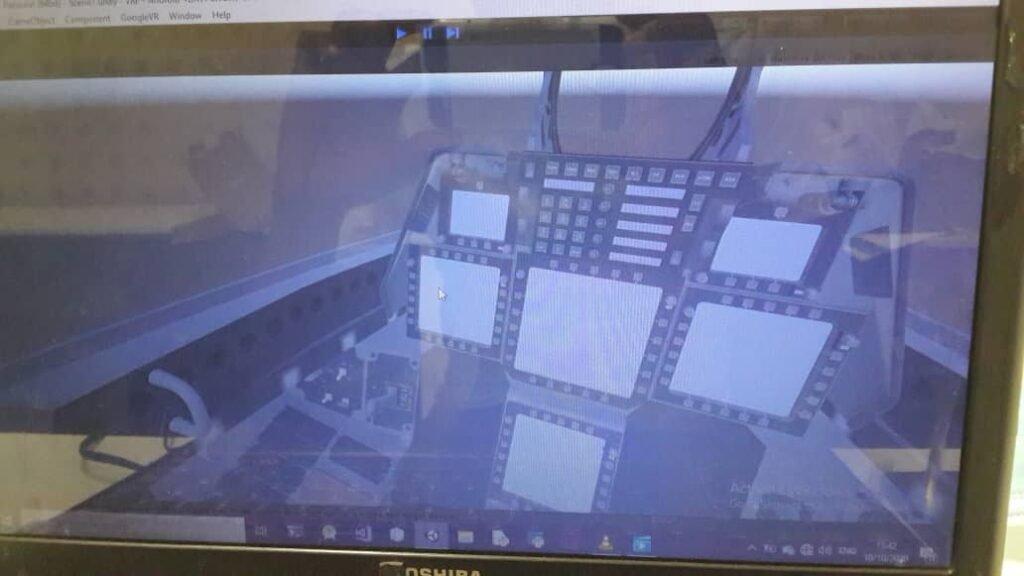
During that process I also learned something else very quickly: landing a plane is hard. Even in a rough prototype, it was difficult. That made me appreciate real pilots even more, especially the ones landing on moving carriers at night or in bad weather. Around that time I was also watching a lot of Air Crash Investigation on Nat Geo, so I was deep in aviation mode already.
After all that, I really wanted to build a proper flight sim. But I also knew the reality: I needed more computing power, more hardware, and probably dedicated controls like HOTAS modules. Then my computer crashed and I lost the base project, which was painful. That setback killed the momentum for a while, and I simply did not have the resources to keep pushing the project the way I wanted to.
So I did what I could do instead: I kept learning.
Project Initilization
I kept watching videos about fighter aircraft, air power, missile systems, aircraft generations, and military aviation in general. I kept picking up terminology, understanding platforms better, and listening to things like The Fighter Pilot Podcast. Even when I was not building, I was still feeding the obsession.
Then in 2022, things changed.
COVID had cooled off, people were moving around again, and I was spending time at a place called Moto Republik. A friend I used to hang around there with had already moved to the UK, but one day while I was there, one of the staff members, Ms Vera, approached me and said something like:
“Hey, I remember you worked on a project for us during a hackathon, and there’s a small creative opportunity available. You’d get funding to work on a creative project of your choice. The fund is from the Zimbabwe German Society and its $1000.”
For me at that time, that was a lot of money.
So of course I was interested.
I ended up being paired with Patrick, one of the staff members involved in the opportunity. We talked about what kind of project I wanted to work on. He asked me what I had in mind, something creative, maybe something gaming-related, and I said:
“A flight simulator. Let’s build a gamified flight sim.”
He looked a bit surprised, probably because it sounded like a huge thing to say with a straight face. And to be honest, he had every reason to be skeptical. I had never built a real flight simulator before, and I did not fully know what I was getting into. But I was convinced enough to say yes anyway.
That was how it started.
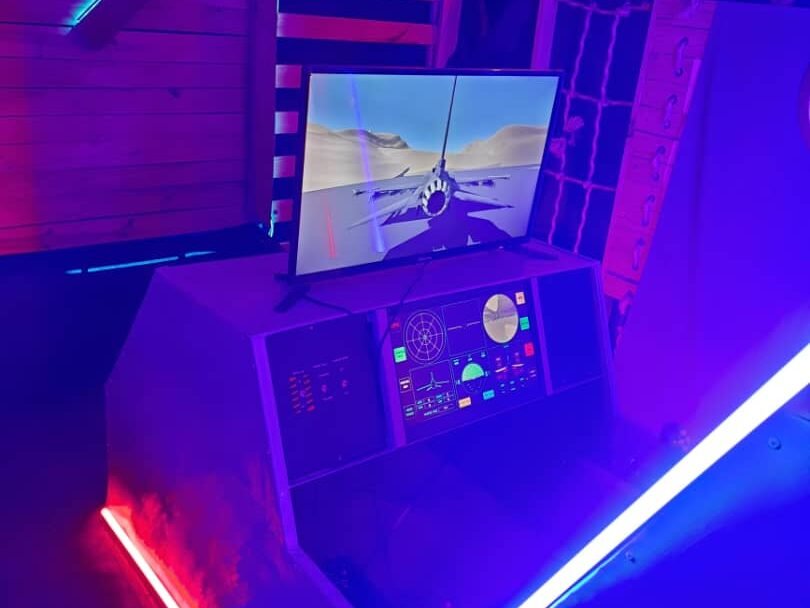
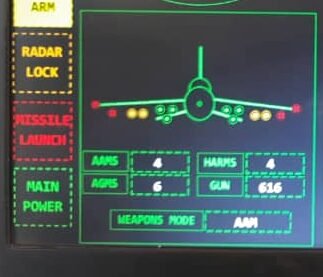
There was a lot of back-and-forth after that, a lot of conversations and planning, but eventually I began working on the project. At that stage it did not even have a proper name yet, so I called it Project ACE, short for Air Combat Environment.
This article, and really this whole documentation series, is about that project.
It is a look back at how I approached it, what I tried to build, the technical decisions behind it, the mistakes, the experiments, and the lessons that came out of it. It was one of the most complex projects I had taken on at the time, and it pushed me hard. But it was worth it.
And honestly, I would do it again.
Maybe one day as a more refined version 2, with everything I know now.